We ordered the chicken schnitzel which was tender and juicy, and the chicken curry was also delicious. We asked to make it more spicy and they added small chillies to it which gave it a really good spice kick. The wine was also delicious. Would definitely be back!
Overview
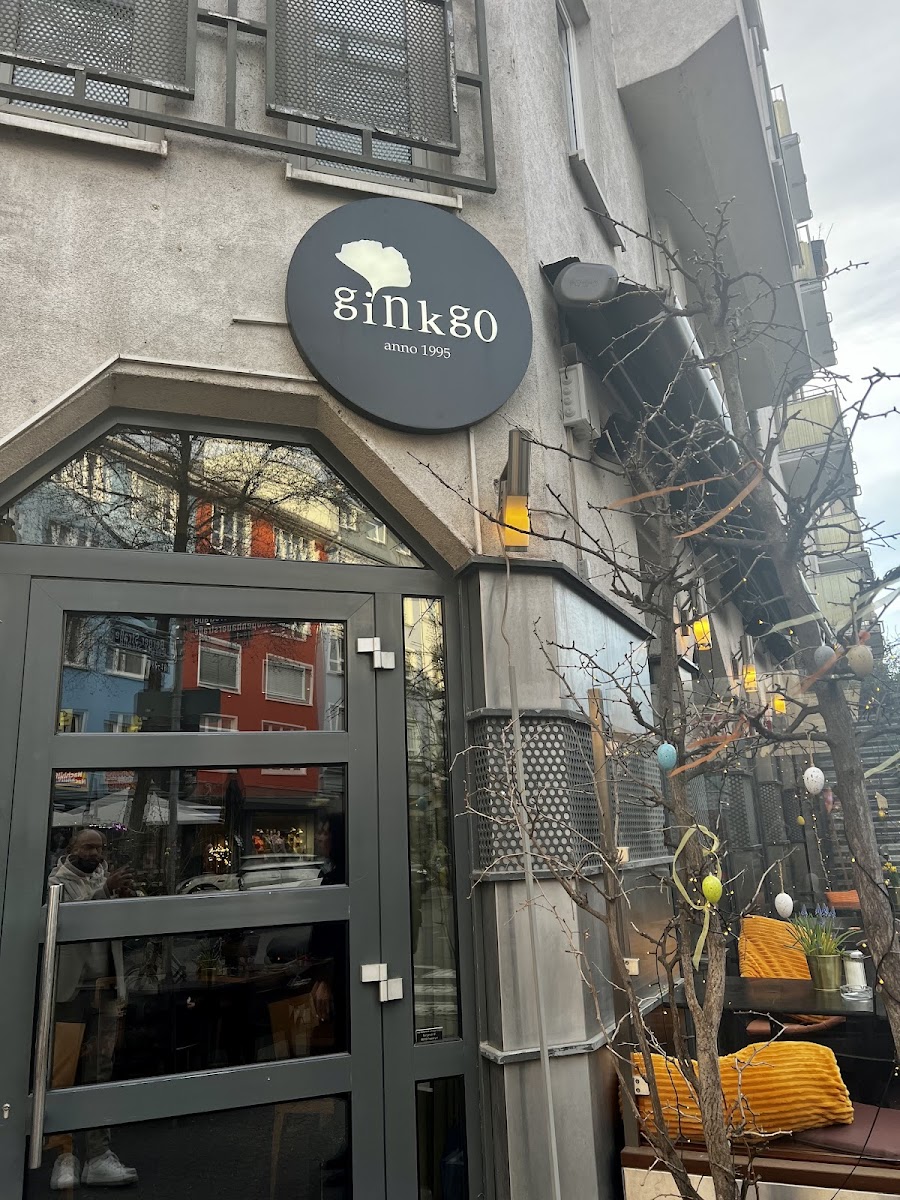
Walking into Ginkgo on Berger Str. 81, 60316 Frankfurt am Main, Germany, feels like stepping into a calm pocket of the city where food is treated with care rather than flash. I’ve eaten here multiple times over the past year, usually after a long afternoon wandering Bornheim, and the experience has been consistently grounded, friendly, and satisfying. The space is modest but thoughtfully laid out, with warm lighting, uncluttered tables, and a steady hum of locals who clearly know the place well.
The menu leans toward Asian-inspired comfort food with a strong vegetarian and vegan backbone, which isn’t accidental. Frankfurt has seen a steady rise in plant-forward dining, and according to data from ProVeg International, Germany is now home to more than 10% flexitarians, a trend that restaurants like this respond to with confidence. Here, dishes are designed to stand on flavor first, not as substitutes. One real example is their tofu-based mains, which are pressed, marinated, and pan-seared properly. That process matters, and you can taste the difference immediately: firm texture, deep seasoning, and no excess moisture.
On one visit, I spoke briefly with a staff member about how they prep their sauces. Instead of relying on pre-made bases, they build layers using fermented elements, fresh aromatics, and controlled heat. This aligns with techniques widely discussed by chefs like David Chang, who often emphasizes fermentation and balance as core to modern Asian cooking. You don’t need to know the theory to enjoy the food, but it explains why the flavors feel rounded rather than aggressive.
Reviews from regulars often mention consistency, which is harder to achieve than creativity. During a busy dinner service, plates still arrived hot and well-composed. That tells you something about kitchen workflow and training. According to the German Hotel and Restaurant Association, operational consistency is one of the top factors influencing repeat visits, even more than novelty. This place clearly understands that. While the menu isn’t massive, it’s focused, and that restraint works in its favor.
Location also plays a role in the restaurant’s identity. Berger Straße is one of Frankfurt’s longest shopping streets, blending residential life with small businesses. Being situated here means serving a mixed crowd: students, families, professionals. The pricing reflects that reality-accessible without feeling cheap. Transparency builds trust, and trust is reinforced when what you pay matches what arrives at the table.
There are limits, of course. If you’re looking for an extensive meat-heavy menu or late-night dining, this might not be your spot. The focus is clear, and the kitchen doesn’t pretend to be everything at once. That honesty is refreshing. Food safety standards are visibly respected, and Germany’s strict hygiene regulations, monitored by local health authorities, add another layer of reassurance for diners who care about where and how their meals are prepared.
What stands out most is how naturally everything comes together. From the calm pacing of service to the thoughtful sourcing implied by the dishes, the experience feels intentional. One guest review I overheard summed it up perfectly: bolded comfort food without the heaviness. Another regular described it as bolded a place you can trust on any weekday. Those aren’t marketing lines; they’re reflections of repeat experiences.
The restaurant scene in Frankfurt is competitive, especially in neighborhoods packed with options. Staying relevant requires more than trends-it takes understanding your community and delivering reliably. Based on personal visits, conversations, and the broader context of how dining habits are evolving in Germany, this diner earns its reputation the straightforward way: by doing the basics very well, every single day.
Good to know
Service options
✓ Outdoor seating ✓ Takeaway ✓ Dine-in ✓ DeliveryHighlights
✓ Great coffee ✓ Great tea selection ✓ Great wine listPopular for
✓ Breakfast ✓ Lunch ✓ Dinner ✓ Solo diningAccessibility
✓ Wheelchair-accessible entrance ✓ Wheelchair-accessible seating ✓ Wheelchair-accessible car park ✓ Wheelchair-accessible toiletOfferings
✓ Alcohol ✓ Beer ✓ Cocktails ✓ Coffee ✓ Healthy options ✓ Late-night food ✓ Organic dishes ✓ Quick bite ✓ Small plates ✓ Spirits ✓ Vegan options ✓ Vegetarian options ✓ WineDining options
✓ Breakfast ✓ Brunch ✓ Lunch ✓ Dinner ✓ Dessert ✓ Seating ✓ Table serviceAmenities
✓ Bar on site ✓ ToiletAtmosphere
✓ Casual ✓ Cosy ✓ TrendyCrowd
✓ Groups ✓ Tourists ✓ University studentsPlanning
✓ Brunch reservations recommended ✓ Dinner reservations recommended ✓ Accepts reservationsPayments
✓ Credit cards ✓ Debit cards ✓ NFC mobile payments ✓ Credit cardsChildren
✓ Good for kids ✓ High chairsParking
✓ Free of charge street parking ✓ Paid street parking ✓ ParkingPets
✓ Dogs allowedPhotos
1 / 4
Location
Reviews
- No ratings yet 1287 reviews
Vegan? Get it. Not Vegan? Get in too!! Great food, prices and service. Sunday morning (has a Vegan/Non Vegan couple), we came by and had a great breakfast. As usual big portions, but with high quality and homemade style. No so usual (unfortunately) The DO speak solid English here, and take card (its not cash only as in most places). Pet friendly too!! Will return on our Next trip here.
As a tourist from America it was lovely to walk down on Bergen Street in Frankfurt. We wanted something to eat that offered healthy options. The menu looked so delicious we didn't exactly stay healthy but we were glad to know everything we ate was organic. In Germany organic is "bio". The restaurant had an English menu so that we could order directly but the specials were only in German, we were with family that spoke German so they could explain to us exactly what we were ordering. We ordered asparagus risotto, a cheeseburger, a club sandwich on a baguette, and white asparagus with potatoes and ham a typical German menu item. Two had fresh squeezed orange juice, this was a treat because in Germany most orange juice is not fresh. One order a soda that was made from a rhubarb very interesting not to my liking but the person who ordered it was a local and she loved it. The last person in our party ordered a beer and of course she liked that. We enjoyed our food very much and the waitress was very helpful and patient as we learned a bit of German as we ordered. Many people came in and out of the restaurant in just to taste their vegan cakes and coffee. Inside the restaurant itself is very cute and outside they have a covered patio on one side and umbrellas covering benches on the other which is typical for that street where most restaurants have an outside area. Bottom line...great fresh food and service! We will go back!
Awesome Service! Tasty Food! Great Location! Service: Our service was perfect. We were unsure what to order and how much and his response was: „I’d recommend platter and I will tell you if you’re ordering too much, we don’t want to waste food here“ How great is that?! And he literally knew our limits! Funny, helpful and thoughtful! Food: I could have chosen The Vegan Burger, A Soup, the avocado sandwich or a few other vegan options but decided to go with our waiters recommendations: We (three people) took the vegan Platter with tapas and for my main meal the vegan aubergine casserole (mildly spicy and delicious). Finished off with the delicious vegan chocolate mousse! Atmosphere & interior design: It is all in all a lovely place to go to and spend your time. The moment I walked in the door I noticed the difference; usually you have to look for the waiter and ask about your reservation; at ginkgos you walk in and there are plates on the tables with the persons names that reserved. Therefor you can immediately find your spot and it gives a personal touch! Musik was relaxing and the restaurant very spacious! Rating: Food: 5/5 Service: 5/5 Atmosphere: 5/5 Vegan friendly and I therefore can and will recommend! Enjoy!
I discovered this restaurant a couple of years ago, but due to unforeseeable circumstances, I was never able to return to it. This year, I've come here multiple times. The service is always friendly! Occasionally, they're fast. Sometimes, they are a bit overwhelmed, but all in all, things don't take too long. The location is wonderful. The menu is good, and the vegetarian/vegan options are okay. At this point, I've tried them all. Their salad is lovely and each veg main dish I've had (the lasagne, the curry, the aubergine-lentils casserole) was delicious. The plate presentation is not my favorite, but it won't stop me from coming here again (even if it's a bit pricey!).
Very beautiful brunch place! Must try on a Summer Sunday!! In the photos are veggie burger, cheeseburger, fresh maracuja ( it was so soothing) and hövels beer!!!! We have visited this place many times and everything here is our favourite. Great place, good vibes and friendly staffs. Recent update: I’ve visited this restaurant at least 3-4 times now and do they ever fail to impress me? A big NO!! You guys are amazing and consistent as always with great options for both vegetarians/vegans and non vegetarians
I pass by this place often and they're always busy and I finally understand why. The quality of the food is great and the atmosphere is cozy. In addition to the salad, we also tried The Land omelette and venison goulash. Also had one of the best chais since moving to Frankfurt. There's something for everyone and would highly recommend.